
BLOCKCHAIN

What Is Blockchain?

A clear introduction to distributed ledger technology, how blocks are linked together, and why blockchain is used in cryptocurrency.

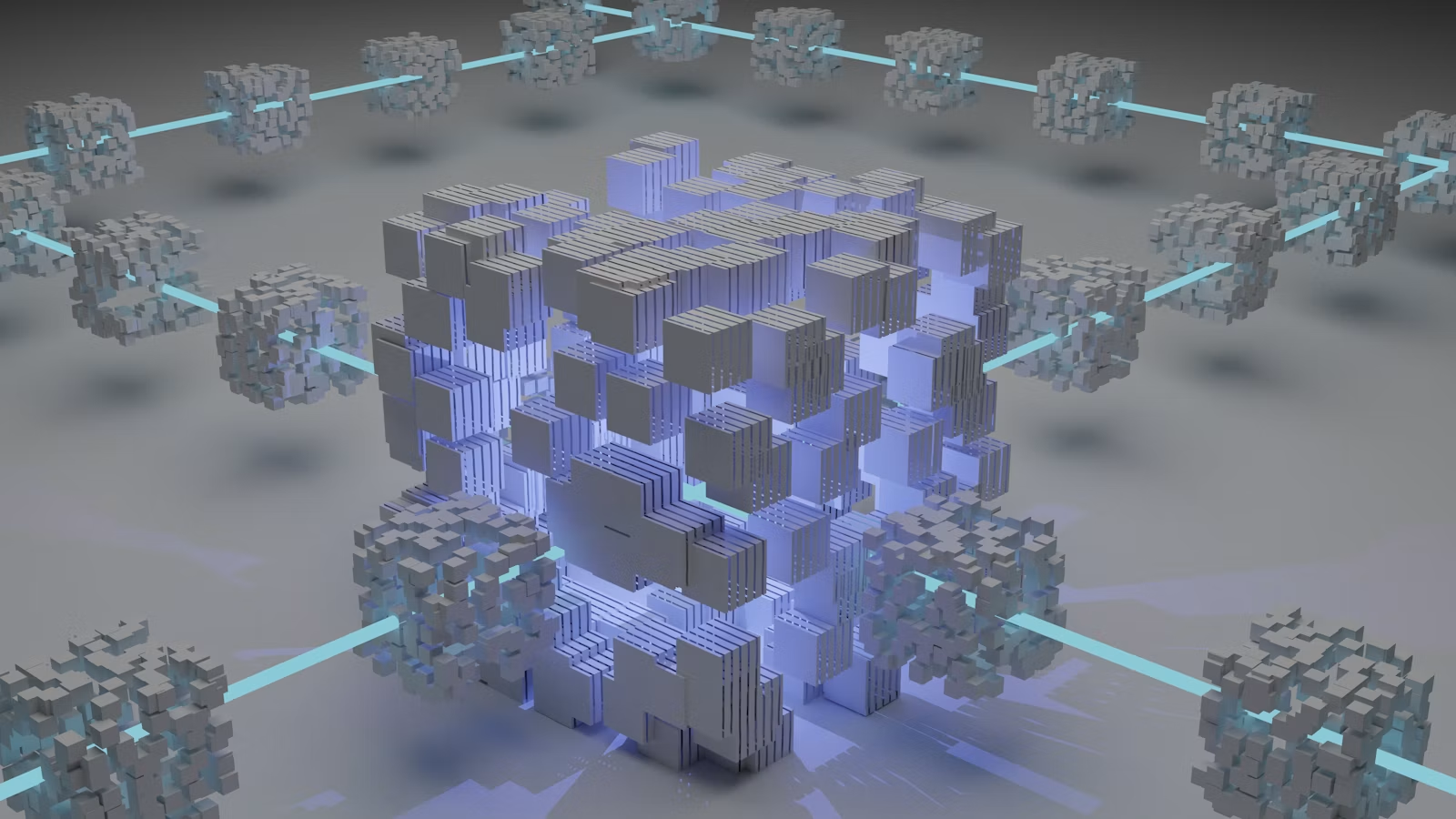
Blockchain network concept
Beginner Guide

Understanding Distributed Ledgers

BLOCKCHAIN TYPES

Who Can Read and Write on a Chain?

Not every blockchain is open to the public. Access rules decide who can view data and who can add new records.

4 Main Types of Blockchain

Public
Blockchain

Built “for the people, by the people”. Anyone with an internet connection can join as a node, read the ledger and submit transactions. No single company is in charge.

  • ReadAnyone
  • WriteAnyone
  • ExampleBitcoin, Ethereum

Private
Blockchain

Unlike public chains, one organisation is in charge. It controls who can read and write, and decides which members get access to the data.

  • ReadOnly invited members
  • WriteOnly the owner/creator
  • ExampleInternal bank network

Consortium
Blockchain

A semi-decentralised network managed by more than one organisation. A chosen group of members shares control instead of a single owner.

  • ReadOnly chosen groups
  • WriteOnly the chosen groups
  • ExampleSupply chain (Walmart + shipping companies)

Hybrid
Blockchain

Combines both worlds. Data blocks are created and hashed on a private network, then proofs are stored on a public chain, keeping records verifiable without exposing private data.

  • ReadAnyone (or selected parts)
  • WriteOnly invited members
  • ExampleGovernment records, healthcare
Public blockchain network illustration
Type 01 · Public

Open to Anyone

A public blockchain lets anyone join, read the ledger and submit transactions. No central company controls membership. This is the model used by major cryptocurrencies.

Read access Anyone on the internet
Write access Anyone who follows the network rules
Examples Bitcoin, Ethereum
Private secure network illustration
Type 02 · Private

Invite-Only and Controlled

A private blockchain is run by one organisation. Only invited members can see the data, and writing is usually limited to the owner or approved operators. This suits internal systems that need shared records with tighter control.

Read access Only invited members
Write access Only the owner or creator
Examples Internal bank or enterprise networks
Consortium supply chain collaboration
Type 03 · Consortium

Shared Across Chosen Groups

A consortium blockchain is governed by a selected group of organisations. Members agree on who can read and write. It is common when several companies need a shared record without making everything public.

Read access Only chosen groups
Write access Only the chosen groups
Examples Supply chain networks (retailer + shipping partners)
Hybrid blockchain for records and healthcare
Type 04 · Hybrid

Public Visibility with Private Control

A hybrid blockchain mixes both models. Some information can be open, while write permission stays with invited members. This helps when transparency is useful but full open writing is not.

Read access Anyone, or selected public parts
Write access Only invited members
Examples Government records, healthcare systems
OUR SERVICES

AK Crypto Consulting Works With a Private Chain Model

Our services are built around a private-chain approach: access is limited to invited members, and writing stays under controlled ownership. That supports clearer oversight, stronger permission control and a more suitable setup for guided consulting workflows.

View Our Services
Digital ledger and blockchain technology

A Shared Record That Many Computers Maintain

Blockchain is a type of distributed ledger. Instead of one organisation keeping a private database, many participants can hold a copy of the same transaction history.

New information is grouped into blocks. Each block is linked to the previous one, which is why the structure is described as a chain.

Cryptocurrencies such as Bitcoin use blockchain to record transfers. The same idea is also used in other applications, including supply tracking, digital records and smart contracts.

CORE IDEAS

Three Ideas Behind Blockchain

You do not need to be a developer to understand the main building blocks of this technology.

01

Distributed Ledger

Copies of the record can be held across many computers, rather than in a single central database.

02

Blocks and Hashes

Each block contains data and a unique fingerprint that helps connect it to the previous block in the chain.

03

Network Consensus

Participants follow agreed rules to decide which transactions are valid before they become part of the shared history.

HOW IT WORKS

From Transaction to a New Block

A simple blockchain process can be understood in three steps.

STEP 01

A Transaction Is Created

A user sends a transaction from a wallet. The request includes the destination and the amount being transferred.

STEP 02

The Network Checks It

Computers on the network check whether the transaction follows the network's rules before it is accepted.

STEP 03

It Is Added to the Chain

Valid transactions are grouped into a block. Once confirmed, that block is linked to the existing chain of records.

WHY IT MATTERS

What Blockchain Is Designed to Support

Blockchain is often discussed because it can help groups share records without relying on one central operator.

Transparency Many networks make transaction history publicly viewable.
Traceability Past records can be reviewed because they form a linked history.
Reduced Single Control No one computer is meant to be the only source of truth.
Programmable Rules Some blockchains support smart contracts that run coded agreements.
IMPORTANT TO KNOW

Blockchain Also Has Limits

Understanding the technology includes understanding what it does not automatically solve.

Not Automatically Private

Public blockchains can expose transaction details. Visibility is not the same as personal privacy.

Errors Can Be Permanent

Once a transfer is confirmed, reversing it may be difficult or impossible. Wrong addresses can mean permanent loss.

Technology Risk

Networks can face congestion, software issues, or design weaknesses that affect users and applications.

Not Every Use Is Suitable

Blockchain is a tool. It is not always the best database for every business or personal use case.

KEEP LEARNING

Continue Building Your Crypto Knowledge

Next, explore wallets, stablecoins, security risks and how to think more carefully before using digital assets.

Explore Learning Center