
01
Volatility
Digital asset prices can rise or fall sharply within short periods, sometimes with little warning.
Learning how cryptocurrency works is only half the picture. Before making any decision, it is just as important to understand the volatility, liquidity, technology and custody risks involved.
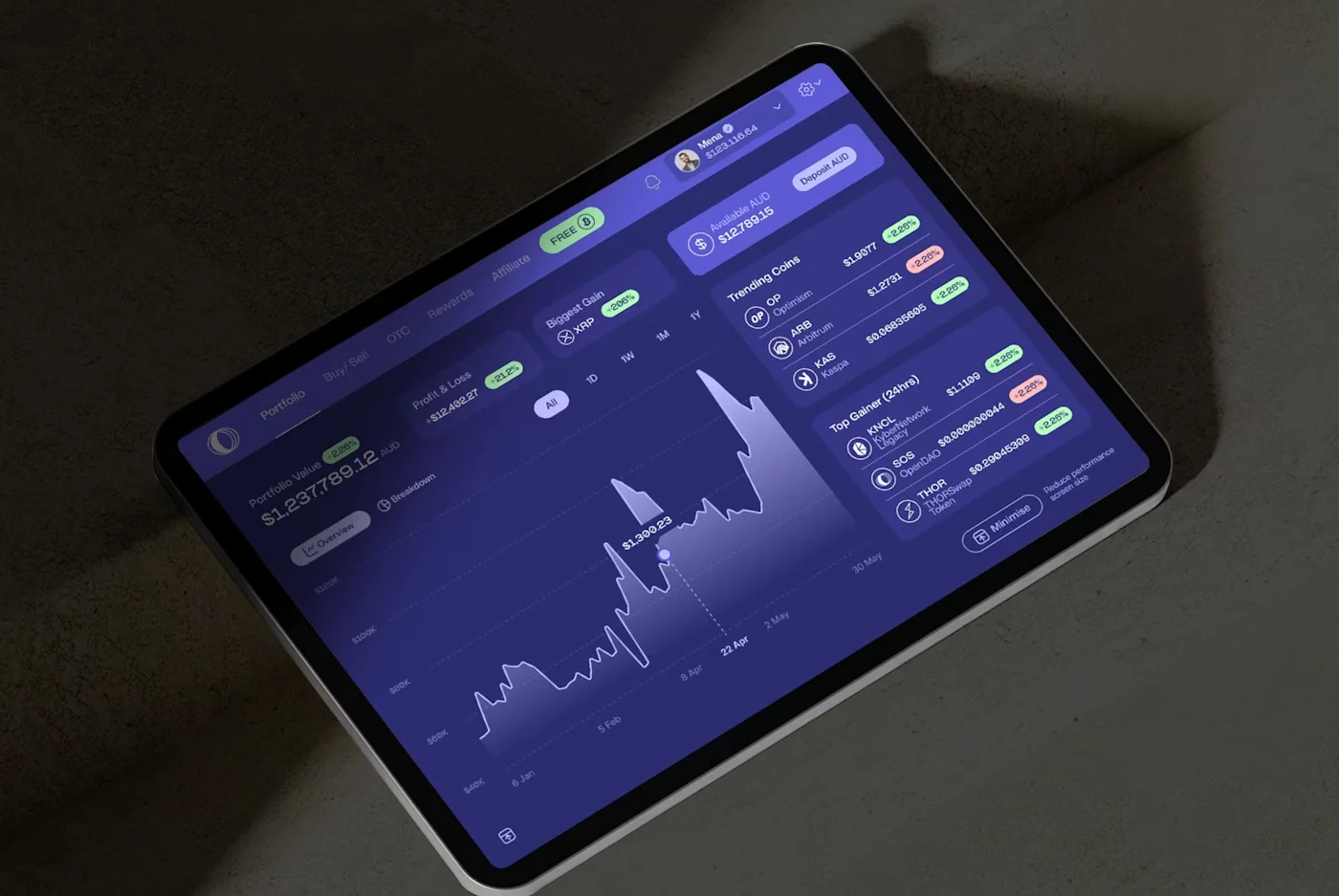

Cryptocurrency prices, custody arrangements and the underlying technology can behave very differently from traditional financial products. Understanding these differences is a key part of responsible participation.
Some risks come from the market itself, such as sudden price swings. Others come from technology, security practices or the way an asset is stored and accessed.
None of this is meant to discourage learning about crypto — it is meant to help you approach it with clear eyes and realistic expectations.
These three areas cover most of the risk that shows up in everyday crypto discussions.
Digital asset prices can rise or fall sharply within short periods, sometimes with little warning.
Some assets are harder to buy or sell quickly at a fair price, especially during periods of market stress.
How and where an asset is stored affects who actually controls it and what could go wrong if access is lost.
Risk is not limited to price movement. It can show up before, during and after a transaction.
Market conditions, project fundamentals and your own risk tolerance all shape the outcome before a single transaction is made.
Wallet security, exchange reliability and ongoing market volatility can all affect an asset while it is held.
Liquidity conditions and timing can influence how easily an asset can be converted back without a significant price impact.
Recognising these terms makes it easier to understand risk disclosures and ask sharper questions.
A closer look at the risk categories most relevant to everyday crypto participation.
Digital asset prices can change quickly. Market movements may result in significant gains or losses.
Some digital assets may have limited liquidity, making it harder to trade at a preferred price within a preferred timeframe.
Assets held with an exchange, wallet provider or other third party may be exposed to operational or insolvency risk.
Blockchain networks and related applications can experience technical failures, congestion or software vulnerabilities.
Phishing, malware and compromised accounts can result in permanent loss of access to digital assets.
Laws and regulatory treatment of digital assets can vary by jurisdiction and may change over time.
Read the full risk disclosure or talk to us directly about what these risks could mean for your specific situation.