
01
Digital Asset
Cryptocurrency exists in digital form and can represent value within a particular network or ecosystem.
A simple starting point for understanding digital money, blockchain networks, wallets and how cryptocurrency transactions work.
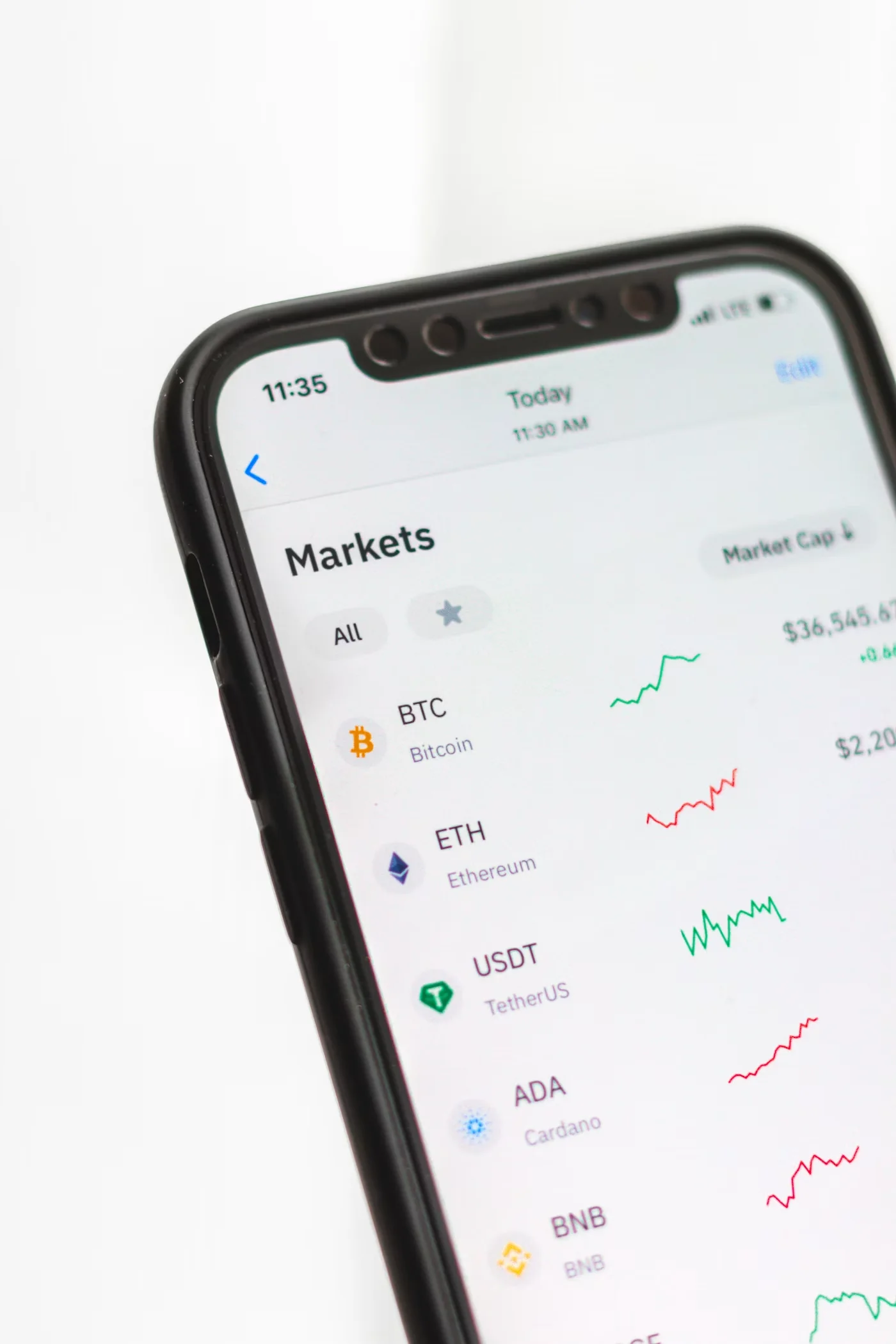

Cryptocurrency is a form of digital asset that can be transferred between participants using blockchain or other distributed ledger technologies.
Unlike physical cash, cryptocurrency exists digitally. Depending on the network and asset, transactions can be recorded on a shared ledger and verified by participants in that network.
Bitcoin is the first widely known cryptocurrency. Since then, many other digital assets and blockchain networks have been created with different designs and purposes.
You do not need advanced technical knowledge to begin understanding cryptocurrency. Start with these three fundamentals.
Cryptocurrency exists in digital form and can represent value within a particular network or ecosystem.
Many cryptocurrencies use blockchain technology to record and organize transactions across a distributed network.
A crypto wallet helps users manage the information needed to interact with their digital assets and blockchain addresses.
A basic cryptocurrency transaction involves several steps before it becomes part of the network's recorded history.
A user initiates a transaction from a wallet or compatible application and specifies the destination and amount.
The transaction is broadcast to the relevant network where participating systems verify it according to that network's rules.
Once accepted by the network, the transaction can become part of the blockchain's recorded transaction history.
Understanding the language makes it easier to follow crypto-related information and ask better questions.
Learning how cryptocurrency works is only the first step. Digital assets can involve significant financial, technological and security risks.
Digital asset prices can change quickly. Market movements may result in significant gains or losses.
Poor wallet security, phishing, scams or compromised credentials can result in loss of access or assets.
Blockchain networks, applications and smart-contract systems depend on technology that can contain vulnerabilities.
Laws and regulatory treatment of digital assets can vary by jurisdiction and may change over time.
Explore more educational topics covering blockchain, digital assets, wallets, security, risks and practical crypto concepts.
Explore Learning Center →