
01
Fiat-Backed
These are designed to be supported by cash or cash-like reserves held by an issuer or custodian.
A practical introduction to digital assets designed to stay closer to a reference value, and the risks that still remain.
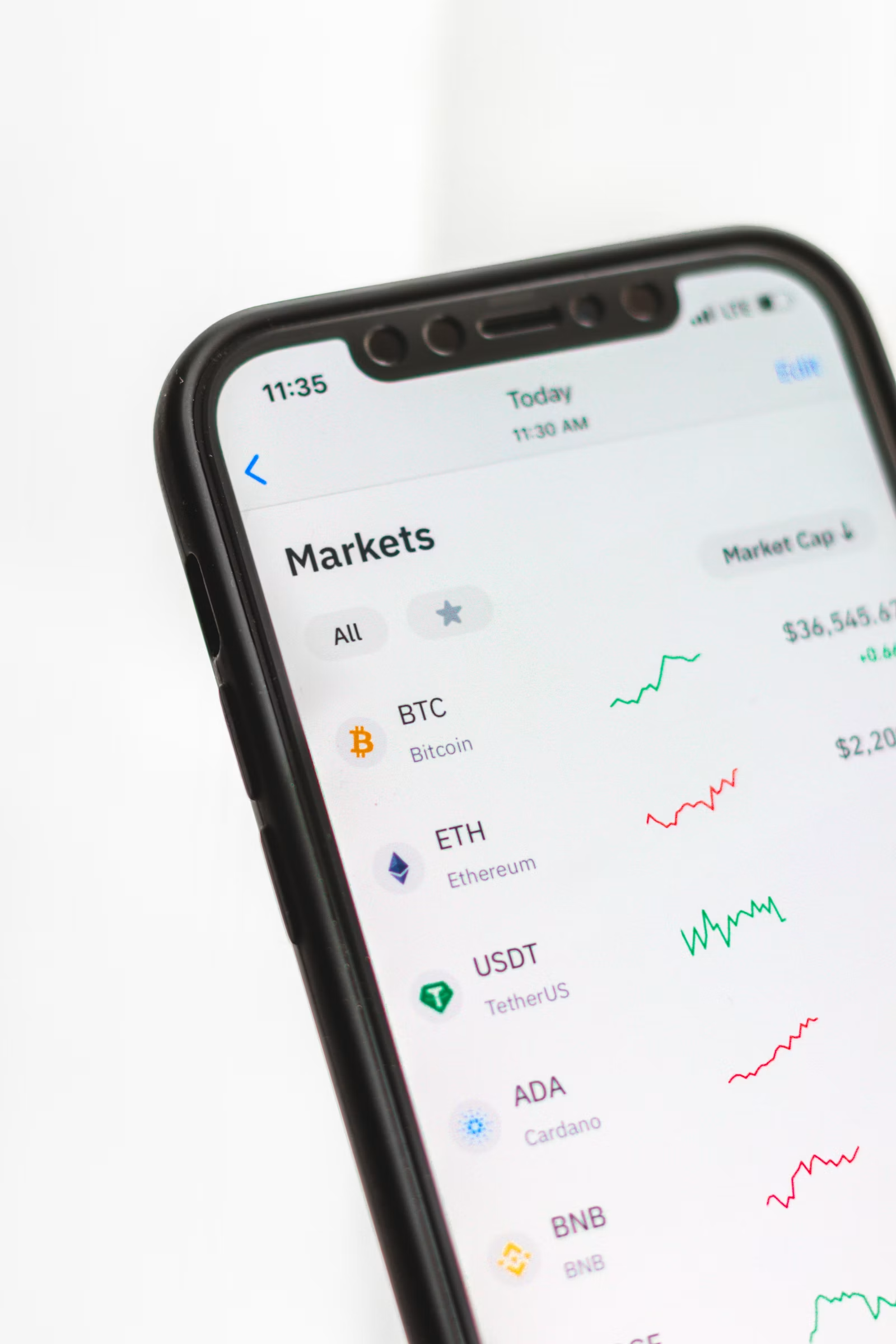

A stablecoin is a type of cryptocurrency that is designed to keep a relatively stable value, often by referring to a currency such as the US dollar.
They are commonly used to move value on blockchain networks, to settle trades, or to hold digital value without the same short-term price movement seen in assets such as Bitcoin.
A stablecoin is still a digital asset. It can involve issuer risk, reserve risk, liquidity risk and regulatory risk even when its price looks steady.
Not all stablecoins work in the same way. The backing model is one of the most important things to understand.
These are designed to be supported by cash or cash-like reserves held by an issuer or custodian.
These use other digital assets as collateral. The value can still move if that collateral becomes stressed.
These rely more on software rules and market mechanisms. History shows they can fail quickly if confidence drops.
Stablecoins are often used as a practical tool inside crypto markets, not as a risk-free savings product.
Users may transfer stablecoins between wallets or platforms without converting back to a bank account each time.
Many markets use stablecoins as a quoted pair so traders can move between digital assets more quickly.
Some people hold stablecoins to reduce exposure to more volatile assets. This still involves issuer and operational risk.
The word stablecoin describes an intention. It does not remove the need to understand how the asset is supported.
A stable price target does not mean zero risk. These are some of the issues to understand first.
A stablecoin can trade above or below its intended value, especially during market stress.
The quality, location and transparency of reserves can affect whether the asset stays reliable.
It may not always be easy to convert a stablecoin quickly at the expected price.
Rules around issuance, reserves and use can change by country and over time.
Continue with wallets, scams, market risk and the questions to ask before choosing any crypto-related provider.
Explore Learning Center